02 初出茅庐:构造一个极简的 HttpServer 使用 Socket 简单实现
Request 1 2 3 4 5 6 7 8 9 10 11 12 13 14 15 16 17 18 19 20 21 22 23 24 25 26 27 28 29 30 31 32 33 34 35 36 37 38 39 40 41 42 43 public class Request { InputStream input; String uri; public Request (InputStream input) { this .input = input; } public void parse () { int i = 0 ; byte [] buffer = new byte [2024 ]; try { i = input.read(buffer); } catch (IOException e) { i = -1 ; throw new RuntimeException (e); } StringBuilder sb = new StringBuilder (); for (int j = 0 ; j < i; j++) { sb.append((char ) buffer[j]); } uri = parseUir(sb.toString()); } public String parseUir (String str) { int index1 = 0 , index2 = 0 ; index1 = str.indexOf(' ' ); index2 = str.indexOf(' ' , index1 + 1 ); if (index1 == -1 || index2 == -1 ) { throw new RuntimeException ("请求格式异常" ); } return str.substring(index1 + 1 , index2); } public String getUri () { return uri; } }
Response 1 2 3 4 5 6 7 8 9 10 11 12 13 14 15 16 17 18 19 20 21 22 23 24 25 26 27 28 29 30 31 32 33 34 35 36 37 38 39 40 41 42 43 44 45 46 47 48 49 50 51 52 53 public class Response { Request request; OutputStream out; int BUFFER_SIZE = 1024 ; public Response (Request request, OutputStream out) { this .request = request; this .out = out; } public void sendStaticResource () { byte [] bytes = new byte [BUFFER_SIZE]; FileInputStream fis = null ; try { File file = new File (HttpServer.WEB_ROOT, request.getUri()); if (file.exists()) { String successHeader = "HTTP/1.1 200 OK\r\n" + "Content-Type: text/html\r\n" + "Content-Length: " + file.length() + "\r\n" + "\r\n" ; out.write(successHeader.getBytes(StandardCharsets.UTF_8)); fis = new FileInputStream (file); int ch = fis.read(bytes, 0 , BUFFER_SIZE); while (ch != -1 ) { out.write(bytes, 0 , ch); ch = fis.read(bytes, 0 , BUFFER_SIZE); } out.flush(); } else { String errorMessage = """ HTTP/1.1 404 File Not Found\r Content-Type: text/html\r Content-Length: 23\r \r <h1>File Not Found</h1>""" ; out.write(errorMessage.getBytes()); } } catch (Exception e) { System.out.println(e.toString()); } finally { if (fis != null ){ try { fis.close(); } catch (IOException ignored) { } } } } }
HttpServer 1 2 3 4 5 6 7 8 9 10 11 12 13 14 15 16 17 18 19 20 21 22 23 24 25 26 27 28 29 30 31 32 33 34 35 36 37 38 39 40 public class HttpServer { public static final String WEB_ROOT = System.getProperty("user.dir" ) + File.separator + "webroot" ; public static void main (String[] args) { HttpServer httpServer = new HttpServer (); System.out.println(WEB_ROOT); httpServer.await(); } public void await () { ServerSocket serverSocket = null ; int port = 8080 ; try { serverSocket = new ServerSocket (port, 1 , InetAddress.getByName("127.0.0.1" )); } catch (IOException e) { throw new RuntimeException (e); } while (true ) { Socket socket = null ; InputStream inputStream = null ; OutputStream outputStream = null ; try { socket = serverSocket.accept(); inputStream = socket.getInputStream(); Request request = new Request (inputStream); request.parse(); outputStream = socket.getOutputStream(); Response response = new Response (request, outputStream); response.sendStaticResource(); socket.close(); } catch (IOException e) { throw new RuntimeException (e); } } } }
03 动态 Response : 按照规范构造返回流 1 2 3 4 5 6 7 8 9 10 11 12 13 14 15 16 17 18 19 20 21 22 23 24 25 private String composeResponseHead () { HashMap<String, String> headers = new HashMap <>(); headers.put("StatusCode" , "200" ); headers.put("StatusName" , "ok" ); headers.put("ContentType" , "text/html;charset=utf-8" ); headers.put("ZonedDateTime" , DateTimeFormatter.ISO_ZONED_DATE_TIME.format(ZonedDateTime.now())); return new StrSubstitutor (headers).replace(OKMessage); } private final static String fileNotFoundMessage = """ HTTP/1.1 404 File Not Found\r Content-Type: text/html\r \r <h1>File Not Found</h1> """ ;private final static String OKMessage = """ HTTP/1.1 ${StatusCode} ${StatusName}\r Content-Type: ${ContentType}\r Server: miniTomcat\r Date: ${ZonedDateTime}\r \r """ ;
04 各司其职的 Server : 拆分响应模块与处理模块 graph LR
A[HttpServer] --> B(HttpConnector)
A --> C(HttpProcessor)
把 HttpServer 拆分成两个部分
HttpConnector : 负责与客户端进行连接HttpProcessor : 负责分发与处理连接
HttpConnector 1 2 3 4 5 6 7 8 9 10 11 12 13 14 15 16 17 18 19 20 21 22 23 24 25 26 27 28 29 30 31 32 33 public class HttpConnector implements Runnable { private static final Logger log = LoggerFactory.getLogger(HttpConnector.class); @Override public void run () { ServerSocket serverSocket; int port = 8080 ; try { serverSocket = new ServerSocket (port, 1 , InetAddress.getByName("127.0.0.1" )); log.info("服务器启动成功" ); } catch (IOException e) { throw new RuntimeException (e); } while (true ) { try { Socket socket = serverSocket.accept(); HttpProcessor httpProcessor = new HttpProcessor (); httpProcessor.process(socket); socket.close(); } catch (IOException e) { throw new RuntimeException (e); } } } public void start () { Thread thread = new Thread (this ); thread.start(); } }
HttpConnector 实现 Runnable 接口,可以创建多个 HttpConnector 线程,提高并发量
HttpProcessor 1 2 3 4 5 6 7 8 9 10 11 12 13 14 15 16 17 18 19 20 21 22 23 24 25 26 27 28 public class HttpProcessor { private static final Logger log = LoggerFactory.getLogger(HttpProcessor.class); public void process (Socket socket) { try { InputStream inputStream = socket.getInputStream(); Request request = new Request (inputStream); request.parse(); OutputStream outputStream = socket.getOutputStream(); Response response = new Response (request, outputStream); if (request.getUri().startsWith("/servlet/" )) { log.info("访问动态资源" ); ServletProcessor servletProcessor = new ServletProcessor (); servletProcessor.process(request, response); } else { StaticResourceProcessor staticResourceProcessor = new StaticResourceProcessor (); staticResourceProcessor.process(request, response); } socket.close(); } catch (IOException e) { throw new RuntimeException (e); } } }
05 Server 性能提升: 设计多个 Processor 在上一节中,虽然可以开多个 HttpConnector 线程,但是一个 HttpConnector 只能处理一个 HttpProcessor
在这一节要将 HttpProcessor 异步化
HttpConnector 1 2 3 4 5 6 7 8 9 10 11 12 13 14 15 16 17 18 19 20 21 22 23 24 25 26 27 28 29 30 31 32 33 34 35 36 37 38 39 40 41 42 43 44 45 46 47 48 49 50 51 52 53 54 55 56 57 58 59 60 61 62 63 64 65 66 67 public class HttpConnector implements Runnable { private static final Logger log = LoggerFactory.getLogger(HttpConnector.class); int minProcessors = 3 ; int maxProcessors = 10 ; int curProcessor = 0 ; final Deque<HttpProcessor> processors = new ArrayDeque <>(); @Override public void run () { ServerSocket serverSocket; int port = 8080 ; try { serverSocket = new ServerSocket (port, 1 , InetAddress.getByName("127.0.0.1" )); for (int i = 0 ; i < minProcessors; i++) { HttpProcessor processor = new HttpProcessor (this ); processor.start(); processors.add(processor); } curProcessor = minProcessors; log.info("服务器启动成功" ); } catch (IOException e) { throw new RuntimeException (e); } while (true ) { try { Socket socket = serverSocket.accept(); HttpProcessor processor = getProcessor(); if (processor == null ) { socket.close(); log.error("processor 已耗尽" ); } else { processor.assign(socket); } } catch (IOException e) { throw new RuntimeException (e); } } } public HttpProcessor getProcessor () { synchronized (processors) { if (!processors.isEmpty()) { return processors.poll(); } else { if (curProcessor < maxProcessors) { curProcessor++; return new HttpProcessor (this ); } } } return null ; } void recycle (HttpProcessor processor) { processors.push(processor); } public void start () { Thread thread = new Thread (this ); thread.start(); } }
HttpProcessor 1 2 3 4 5 6 7 8 9 10 11 12 13 14 15 16 17 18 19 20 21 22 23 24 25 26 27 28 29 30 31 32 33 34 35 36 37 38 39 40 41 42 43 44 45 46 47 48 49 50 51 52 53 54 55 56 57 58 59 60 61 62 63 64 65 66 67 68 69 70 71 72 73 74 75 76 77 78 79 80 81 82 83 84 85 public class HttpProcessor implements Runnable { private static final Logger log = LoggerFactory.getLogger(HttpProcessor.class); Socket socket; boolean available = false ; HttpConnector connector; public HttpProcessor (HttpConnector connector) { this .connector = connector; } public void start () { Thread thread = new Thread (this ); thread.start(); } @Override public void run () { while (true ) { Socket socket = await(); if (socket == null ) { continue ; } process(socket); try { socket.close(); } catch (IOException e) { throw new RuntimeException (e); } connector.recycle(this ); } } public void process (Socket socket) { try { InputStream inputStream = socket.getInputStream(); Request request = new Request (inputStream); request.parse(); OutputStream outputStream = socket.getOutputStream(); Response response = new Response (request, outputStream); if (request.getUri().startsWith("/servlet/" )) { log.info("访问动态资源" ); ServletProcessor servletProcessor = new ServletProcessor (); servletProcessor.process(request, response); } else { StaticResourceProcessor staticResourceProcessor = new StaticResourceProcessor (); staticResourceProcessor.process(request, response); } socket.close(); } catch (IOException e) { throw new RuntimeException (e); } } synchronized void assign (Socket socket) { while (available) { try { wait(); } catch (InterruptedException e) { throw new RuntimeException (e); } } this .socket = socket; available = true ; notifyAll(); } private synchronized Socket await () { while (!available) { try { wait(); } catch (InterruptedException e) { throw new RuntimeException (e); } } Socket socket = this .socket; available = false ; notifyAll(); return (socket); } }
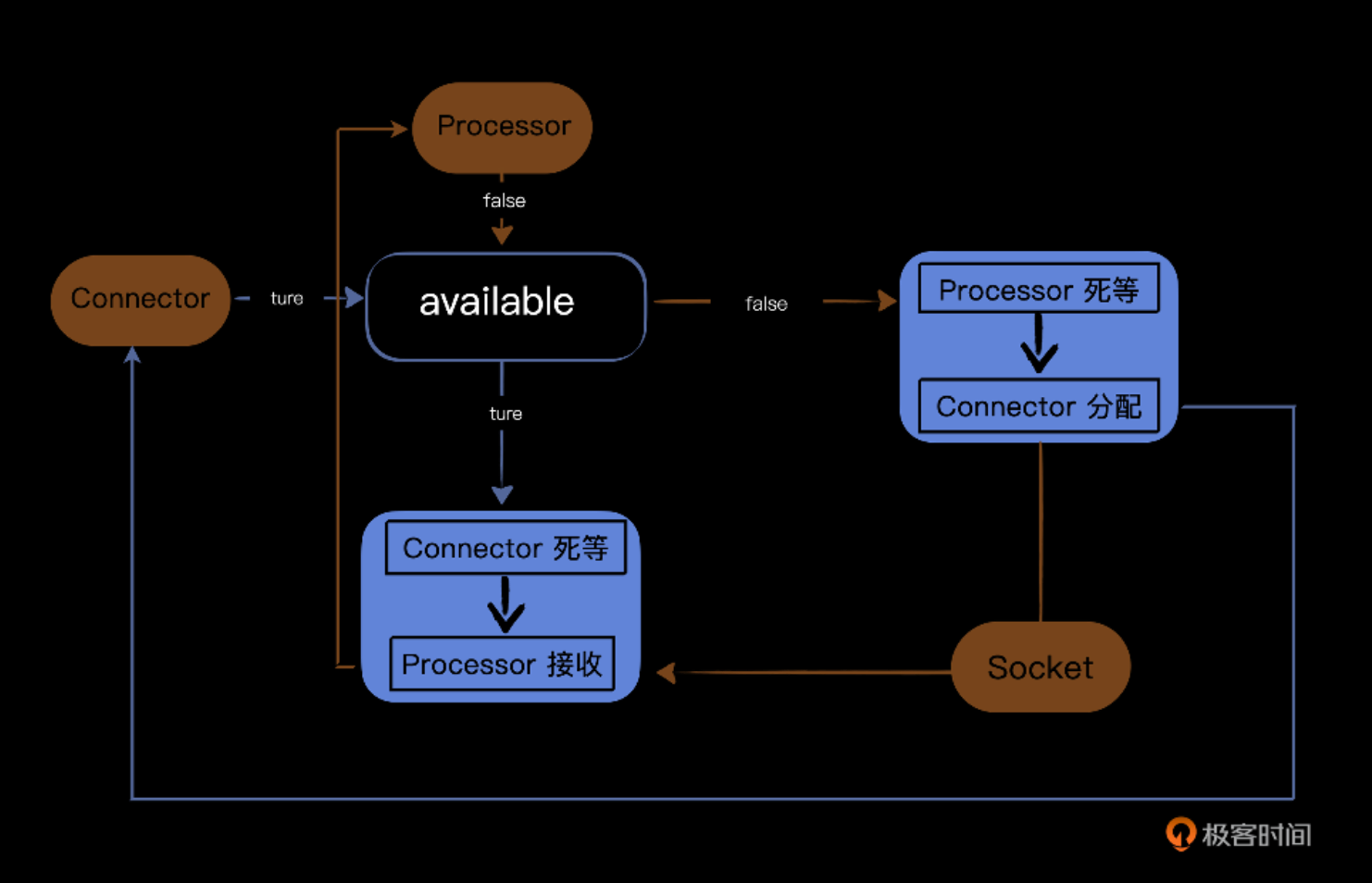
首先看 assign(socket) 方法,在这里,我们用一个标志available来标记,如果标志为true, Connetor线程就继续死等。到了某个时候,Processor线程把这个标志设置为false,Connector线 程就跳出死等的循环,然后把接收到的Socket交给Processor。然后要立刻重新把available标志设 置为true,再调用 notifyAll() 通知其他线程。
再看 await() ,这是作为接收者Processor的线程使用的方法。反过来,如果avaliable标志为 false,那么Processor线程继续死等。到了某个时候,Connector线把这个标志设置为true,那么 Processor线程就跳出死等的循环,拿到Socket。然后要立刻重新把avaiable标志设置为false,再调 用 notifyAll() 通知其他线程。 这个线程互锁机制保证了两个线程之间的同步协调。图示如下:
而在await方法里,HttpProcessor拿到HttpConnector传来的Socket之后,首先会接收Socket,并 且立即把available由true改为false,最后以拿到的这个Socket为基准继续进行Processor中的处理 工作。
这也意味着,一旦Connector分配了一个Socket给到Processor,后者就能立即结束等待,拿到 Socket后调用Process方法继续后面的工作。这时available的状态立刻修改,进而用notifyAll方法唤 醒 Connector的等待线程,Connector就可以全身而退,去处理下一个HttpProcessor了。
T omcat中两个线程互锁的这种机制很经典,在后续版本的NIO和Servlet协调的设计中都用到了。
这样也就做到了HttpProcessor的异步化,也正因为做到了异步化,我们就不能再利用Connector去 关闭Socket了,因为Connector是不知道Processor何时处理完毕的,Socket的关闭任务就交给 Processor自己处理了。
06 规范化: 引入 HttpRequest 与 HttpResponse
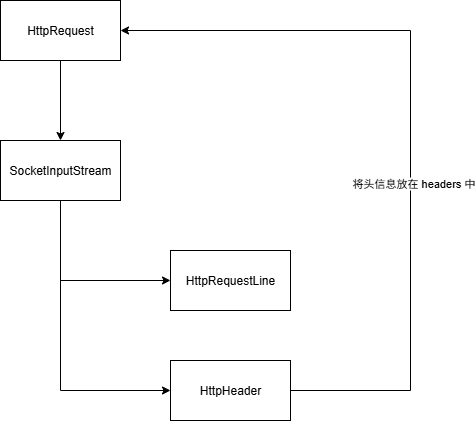
HttpRequestLine 负责 method 、 uri、 protocolGET /hello.txt HTTP/1.1
HttpHeader 负责其他请求头
SocketInputStream 负责解析请求头
HttpRequest 负责存储请求头
HttpRequest 1 2 3 4 5 6 7 8 9 10 11 12 13 14 15 16 17 18 19 20 21 22 23 24 25 26 27 28 29 30 31 32 33 34 35 36 37 38 39 40 41 42 43 44 45 46 47 48 49 50 51 52 53 54 55 56 57 58 59 60 61 62 63 64 65 66 67 public class HttpRequest implements HttpServletRequest { private static final Logger log = LoggerFactory.getLogger(HttpRequest.class); private InputStream input; private SocketInputStream sis; private String uri; InetAddress address; int port; protected HashMap<String, String> headers = new HashMap <>(); protected Map<String, String> parameters = new ConcurrentHashMap <>(); HttpRequestLine requestLine = new HttpRequestLine (); public HttpRequest (InputStream input) { this .input = input; this .sis = new SocketInputStream (this .input, 2048 ); } public void parse (Socket socket) { try { parseConnection(socket); this .sis.readRequestLine(requestLine); parseHeaders(); } catch (IOException | ServletException e) { log.error(e.getMessage()); } this .uri = new String (requestLine.uri, 0 , requestLine.uriEnd); } private void parseConnection (Socket socket) { address = socket.getInetAddress(); port = socket.getPort(); } private void parseHeaders () throws IOException, ServletException { while (true ) { HttpHeader header = new HttpHeader (); sis.readHeader(header); if (header.nameEnd == 0 ) { if (header.valueEnd == 0 ) { return ; } else { throw new ServletException ("httpProcessor.parseHeaders.colon" ); } } String name = new String (header.name,0 , header.nameEnd); String value = new String (header.value, 0 , header.valueEnd); if (name.equals(DefaultHeaders.ACCEPT_LANGUAGE_NAME)) { headers.put(name, value); } else if (name.equals(DefaultHeaders.CONTENT_LENGTH_NAME)) { headers.put(name, value); } else if (name.equals(DefaultHeaders.CONTENT_TYPE_NAME)) { headers.put(name, value); } else if (name.equals(DefaultHeaders.HOST_NAME)) { headers.put(name, value); } else if (name.equals(DefaultHeaders.CONNECTION_NAME)) { headers.put(name, value); } else if (name.equals(DefaultHeaders.TRANSFER_ENCODING_NAME)) { headers.put(name, value); } else { headers.put(name, value); } } } }
1 2 3 4 5 6 7 8 9 10 11 12 13 14 15 16 17 18 19 20 21 22 23 24 25 26 27 28 29 30 31 32 33 34 35 36 37 38 39 40 41 42 43 44 45 46 47 48 49 50 51 52 53 54 55 56 57 58 59 60 61 62 63 64 65 66 67 68 69 70 71 72 73 74 75 76 77 78 79 80 81 82 83 84 85 86 87 88 89 90 91 92 93 94 95 96 97 98 99 100 101 102 103 104 105 106 107 108 109 110 111 112 113 114 115 116 117 118 119 120 121 122 123 124 125 126 127 128 129 130 131 132 133 134 135 136 137 138 139 140 141 142 143 144 145 146 147 148 149 150 151 152 153 154 155 156 157 158 159 160 161 162 163 164 165 166 167 168 169 170 171 172 173 174 175 176 177 178 179 180 181 182 183 184 185 186 187 188 189 190 191 192 193 194 195 196 197 198 199 200 201 202 203 204 205 206 207 208 209 210 211 212 213 214 215 216 217 218 219 220 221 222 223 224 225 226 227 228 229 230 231 232 233 234 235 236 237 238 239 240 241 242 243 244 245 246 247 248 249 250 251 252 253 254 255 256 257 258 259 260 261 262 public class SocketInputStream extends InputStream { private static final byte CR = (byte ) '\r' ; private static final byte LF = (byte ) '\n' ; private static final byte SP = (byte ) ' ' ; private static final byte HT = (byte ) '\t' ; private static final byte COLON = (byte ) ':' ; private static final int LC_OFFSET = 'A' - 'a' ; private static final Logger log = LoggerFactory.getLogger(SocketInputStream.class); protected byte [] buf; protected int count; protected int pos; protected InputStream is; public SocketInputStream (InputStream is, int bufferSize) { this .is = is; this .buf = new byte [bufferSize]; } public void readRequestLine (HttpRequestLine requestLine) throws IOException { int chr = 0 ; do { try { chr = read(); } catch (IOException e) { log.error(e.getMessage(), e); } } while ((chr == CR) || (chr == LF)); pos--; int maxRead = requestLine.method.length; int readStart = pos; int readCount = 0 ; boolean space = false ; while (!space) { if (pos >= count) { int val = read(); if (val == -1 ) { throw new IOException ("requestStream.readline.error" ); } pos = 0 ; readStart = 0 ; } if (buf[pos] == SP) { space = true ; } requestLine.method[readCount] = (char ) buf[pos]; readCount++; pos++; } requestLine.methodEnd = readCount - 1 ; maxRead = requestLine.uri.length; readStart = pos; readCount = 0 ; space = false ; boolean eol = false ; while (!space) { if (pos >= count) { int val = read(); if (val == -1 ) throw new IOException ("requestStream.readline.error" ); pos = 0 ; readStart = 0 ; } if (buf[pos] == SP) { space = true ; } requestLine.uri[readCount] = (char ) buf[pos]; readCount++; pos++; } requestLine.uriEnd = readCount - 1 ; maxRead = requestLine.protocol.length; readStart = pos; readCount = 0 ; while (!eol) { if (pos >= count) { int val = read(); if (val == -1 ) throw new IOException ("requestStream.readline.error" ); pos = 0 ; readStart = 0 ; } if (buf[pos] == CR) { } else if (buf[pos] == LF) { eol = true ; } else { requestLine.protocol[readCount] = (char ) buf[pos]; readCount++; } pos++; } requestLine.protocolEnd = readCount; } public void readHeader (HttpHeader header) throws IOException { int chr = read(); if ((chr == CR) || (chr == LF)) { if (chr == CR) read(); header.nameEnd = 0 ; header.valueEnd = 0 ; return ; } else { pos--; } int maxRead = header.name.length; int readStart = pos; int readCount = 0 ; boolean colon = false ; while (!colon) { if (pos >= count) { int val = read(); if (val == -1 ) { throw new IOException ("requestStream.readline.error" ); } pos = 0 ; readStart = 0 ; } if (buf[pos] == COLON) { colon = true ; } char val = (char ) buf[pos]; if ((val >= 'A' ) && (val <= 'Z' )) { val = (char ) (val - LC_OFFSET); } header.name[readCount] = val; readCount++; pos++; } header.nameEnd = readCount - 1 ; maxRead = header.value.length; readStart = pos; readCount = 0 ; int crPos = -2 ; boolean eol = false ; boolean validLine = true ; while (validLine) { boolean space = true ; while (space) { if (pos >= count) { int val = read(); if (val == -1 ) throw new IOException ("requestStream.readline.error" ); pos = 0 ; readStart = 0 ; } if ((buf[pos] == SP) || (buf[pos] == HT)) { pos++; } else { space = false ; } } while (!eol) { if (pos >= count) { int val = read(); if (val == -1 ) throw new IOException ("requestStream.readline.error" ); pos = 0 ; readStart = 0 ; } if (buf[pos] == CR) { } else if (buf[pos] == LF) { eol = true ; } else { int ch = buf[pos] & 0xff ; header.value[readCount] = (char ) ch; readCount++; } pos++; } int nextChr = read(); if ((nextChr != SP) && (nextChr != HT)) { pos--; validLine = false ; } else { eol = false ; header.value[readCount] = ' ' ; readCount++; } } header.valueEnd = readCount; } @Override public int available () throws IOException { return (count - pos) + is.available(); } @Override public void close () throws IOException { if (is == null ) { return ; } is.close(); is = null ; buf = null ; } @Override public int read () throws IOException { if (pos >= count) { fill(); if (pos >= count) { return -1 ; } } return buf[pos++] & 0xFF ; } protected void fill () { int nRead; try { nRead = is.read(buf, 0 , buf.length); } catch (IOException e) { throw new RuntimeException (e); } pos = 0 ; count = 0 ; if (nRead > 0 ) { count = nRead; } } }
pos:在 buf 中要读的位置read() 方法中,当 pos >= count 时,说明 buf 中的数据已经使用完毕,通过 is 读取下一批数据并缓存在 buf 中,否则会将返回当前位置的数据,并将 pos++
07 对内的保护: 引入门面模式封装内部实现类
HttpRequestFacade 1 2 3 4 5 6 7 8 9 10 11 12 13 14 15 16 17 18 19 20 21 22 23 24 25 26 27 28 29 30 31 32 33 34 35 36 37 38 39 40 41 42 43 44 45 46 47 48 49 50 51 52 53 54 55 56 57 58 59 60 61 62 63 64 65 66 67 68 69 70 71 72 73 74 75 76 77 78 79 80 81 82 83 84 85 86 87 88 89 90 91 92 93 94 95 96 97 98 99 100 101 102 103 104 105 106 107 108 109 110 111 112 113 114 115 116 public class HttpRequestFacade implements HttpServletRequest { private HttpServletRequest request; public HttpRequestFacade (HttpRequest request) { this .request = request; } public Object getAttribute (String name) { return request.getAttribute(name); } public Enumeration getAttributeNames () { return request.getAttributeNames(); } public String getAuthType () { return request.getAuthType(); } public String getCharacterEncoding () { return request.getCharacterEncoding(); } public int getContentLength () { return request.getContentLength(); } public String getContentType () { return request.getContentType(); } public String getContextPath () { return request.getContextPath(); } public Cookie[] getCookies() { return request.getCookies(); } public long getDateHeader (String name) { return request.getDateHeader(name); } public Enumeration getHeaderNames () { return request.getHeaderNames(); } public String getHeader (String name) { return request.getHeader(name); } public Enumeration getHeaders (String name) { return request.getHeaders(name); } public ServletInputStream getInputStream () throws IOException { return request.getInputStream(); } public int getIntHeader (String name) { return request.getIntHeader(name); } public Locale getLocale () { return request.getLocale(); } public Enumeration getLocales () { return request.getLocales(); } public String getMethod () { return request.getMethod(); } public String getParameter (String name) { return request.getParameter(name); } public Map getParameterMap () { return request.getParameterMap(); } public Enumeration getParameterNames () { return request.getParameterNames(); } public String[] getParameterValues(String name) { return request.getParameterValues(name); } public String getPathInfo () { return request.getPathInfo(); } public String getPathTranslated () { return request.getPathTranslated(); } public String getProtocol () { return request.getProtocol(); } public String getQueryString () { return request.getQueryString(); } public BufferedReader getReader () throws IOException { return request.getReader(); } public String getRealPath (String path) { return request.getRealPath(path); } }
HttpResponseFacade 1 2 3 4 5 6 7 8 9 10 11 12 13 14 15 16 17 18 19 20 21 22 23 24 25 26 27 28 29 30 31 32 33 34 35 36 37 38 39 40 41 42 43 44 45 46 47 48 49 50 public class HttpResponseFacade implements HttpServletResponse { private HttpServletResponse response; public HttpResponseFacade (HttpResponse response) { this .response = response; } public void addDateHeader (String name, long value) { response.addDateHeader(name, value); } public void addHeader (String name, String value) { response.addHeader(name, value); } public void addIntHeader (String name, int value) { response.addIntHeader(name, value); } public boolean containsHeader (String name) { return response.containsHeader(name); } public String encodeRedirectURL (String url) { return response.encodeRedirectURL(url); } public String encodeRedirectUrl (String url) { return response.encodeRedirectUrl(url); } public String encodeUrl (String url) { return response.encodeUrl(url); } public String encodeURL (String url) { return response.encodeURL(url); } public void flushBuffer () throws IOException { response.flushBuffer(); } public int getBufferSize () { return response.getBufferSize(); } public String getCharacterEncoding () { return response.getCharacterEncoding(); } }
最后修改 ServletProcessor
1 2 3 4 5 6 7 8 9 10 11 12 13 14 15 16 17 18 19 20 21 22 23 24 25 26 27 28 29 30 31 32 33 34 35 36 37 38 39 40 41 42 43 public void process (HttpRequest request, HttpResponse response) { String uir = request.getUri(); String ServletName = uir.substring(uir.lastIndexOf('/' ) + 1 ); URLClassLoader loader; try { URL[] urls = new URL [1 ]; File classPath = new File (HttpServer.WEB_ROOT); String repository = (new URL ("file" , null , classPath.getCanonicalPath() + File.separator)).toString(); URLStreamHandler urlStreamHandler = null ; urls[0 ] = new URL (null , repository, urlStreamHandler); loader = new URLClassLoader (urls); } catch (IOException e) { throw new RuntimeException (e); } ServletName = "com.lbwxxc.test.HelloServlet" ; Class<?> servletClass; ClassLoader classLoader = this .getClass().getClassLoader(); try { servletClass = classLoader.loadClass(ServletName); } catch (ClassNotFoundException e) { throw new RuntimeException (e); } PrintWriter writer; try { writer = response.getWriter(); writer.println(composeResponseHead()); } catch (IOException e) { throw new RuntimeException (e); } HttpRequestFacade httpRequestFacade = new HttpRequestFacade (request); HttpResponseFacade httpResponseFacade = new HttpResponseFacade (response); Servlet servlet; try { servlet = (Servlet) servletClass.newInstance(); servlet.service(httpRequestFacade, httpResponseFacade); } catch (InstantiationException | IllegalAccessException | ServletException | IOException e) { throw new RuntimeException (e); } }
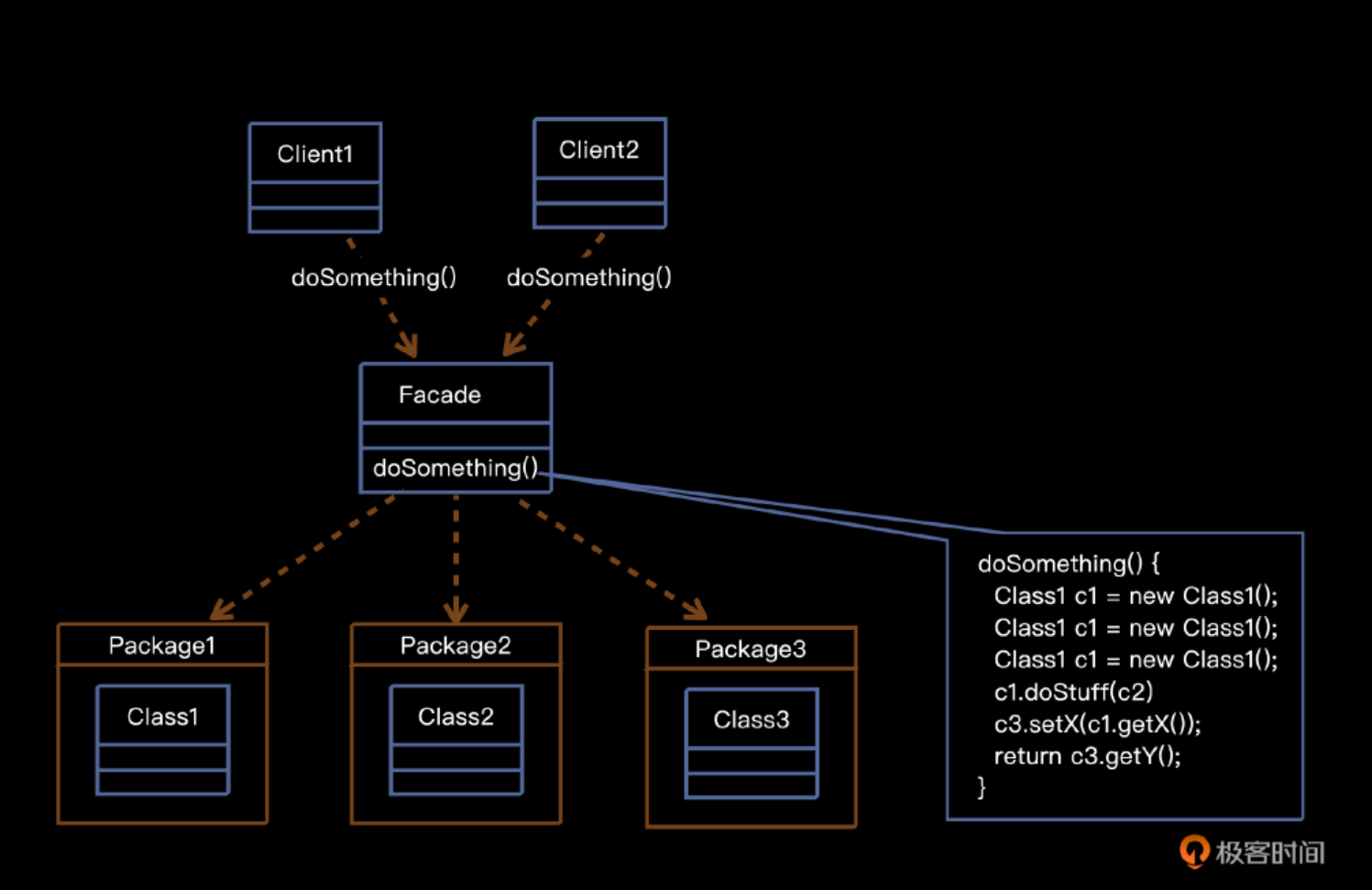
这样在Servlet中,我们看到的只是Facade,看不⻅内部方法,应用程序员想进行强制转化也不行, 这样既简单又安全。
还有,按照Servlet的规范,客户自定义的Servlet是要继承HttpServlet的,在调用的service方法 内,它的实际行为是通过method判断调用的是哪一个方法,如果是Get方法就调用doGet(),如果是 Post方法调用的就是doPost(),其他的方法也是一样的道理。
所以在我们自定义的HttpRequest里,一定要实现getMethod方法,我们来调整一下。
1 2 3 public String getMethod () { return new String (requestLine.method, 0 , requestLine.methodEnd); }
08 解析参数:通过引入 Cookie 和 Session 避免反复登录 Cookie 可能存放在请求行或者请求头,所以在解析 HttpRequest 时,要分别处理
1 2 3 4 5 6 7 8 9 10 11 12 13 14 15 16 17 18 19 20 public void parseRequestLine () { int queryStart = requestLine.indexOf("?" ); if (queryStart >= 0 ) { queryString = new String (requestLine.uri, queryStart + 1 , requestLine.uriEnd - queryStart - 1 ); uri = new String (requestLine.uri, 0 , queryStart); int semicolon = uri.indexOf(DefaultHeaders.JSESSIONID_NAME); if (semicolon >= 0 ) { sessionid = uri.substring(semicolon + DefaultHeaders.JSESSIONID_NAME.length()); uri = uri.substring(0 , semicolon); } } else { queryString = null ; uri = new String (requestLine.uri, 0 , requestLine.uriEnd); int semicolon = uri.indexOf(DefaultHeaders.JSESSIONID_NAME); if (semicolon >= 0 ) { sessionid = uri.substring(semicolon + DefaultHeaders.JSESSIONID_NAME.length()); uri = uri.substring(0 , semicolon); } } }
1 2 3 4 5 6 7 8 9 10 11 12 13 14 15 16 17 18 19 20 21 22 23 24 25 26 27 28 29 30 31 32 33 34 35 36 37 38 39 private void parseHeaders () throws IOException, ServletException { while (true ) { HttpHeader header = new HttpHeader (); sis.readHeader(header); if (header.nameEnd == 0 ) { if (header.valueEnd == 0 ) { return ; } else { throw new ServletException ("httpProcessor.parseHeaders.colon" ); } } String name = new String (header.name,0 , header.nameEnd); String value = new String (header.value, 0 , header.valueEnd); if (name.equals(DefaultHeaders.ACCEPT_LANGUAGE_NAME)) { headers.put(name, value); } else if (name.equals(DefaultHeaders.CONTENT_LENGTH_NAME)) { headers.put(name, value); } else if (name.equals(DefaultHeaders.CONTENT_TYPE_NAME)) { headers.put(name, value); } else if (name.equals(DefaultHeaders.HOST_NAME)) { headers.put(name, value); } else if (name.equals(DefaultHeaders.CONNECTION_NAME)) { headers.put(name, value); } else if (name.equals(DefaultHeaders.TRANSFER_ENCODING_NAME)) { headers.put(name, value); } else if (name.equals(DefaultHeaders.COOKIE_NAME)) { headers.put(name, value); this .cookies = parseCookieHeader(value); for (int i = 0 ; i < cookies.length; i++) { if (cookies[i].getName().equals("jsessionid" )) { this .sessionid = cookies[i].getValue(); } } } else { headers.put(name, value); } } }
解析完 HttpRequest,会尝试获取 session,如果没有最会创建,并存放在 HttpConnect
1 2 3 4 5 6 7 8 9 10 11 12 13 14 15 16 17 18 19 20 21 22 23 24 25 26 public void process (Socket socket) { try { InputStream inputStream = socket.getInputStream(); HttpRequest httpRequest = new HttpRequest (inputStream); httpRequest.parse(socket); if (httpRequest.getSessionid() == null || httpRequest.getSessionid().isEmpty()) { httpRequest.getSession(true ); } OutputStream outputStream = socket.getOutputStream(); HttpResponse httpResponse = new HttpResponse (outputStream); httpResponse.setRequest(httpRequest); if (httpRequest.getUri().startsWith("/servlet/" )) { log.info("访问动态资源" ); ServletProcessor servletProcessor = new ServletProcessor (); servletProcessor.process(httpRequest, httpResponse); } else { StaticResourceProcessor staticResourceProcessor = new StaticResourceProcessor (); staticResourceProcessor.process(httpRequest, httpResponse); } socket.close(); } catch (IOException e) { throw new RuntimeException (e); } }
1 2 3 4 5 6 7 8 9 10 11 12 13 14 15 16 17 18 19 20 public HttpSession getSession (boolean b) { if (sessionFacade != null ) return sessionFacade; if (sessionid != null ) { session = HttpConnector.sessions.get(sessionid); if (session != null ) { sessionFacade = new SessionFacade (session); return sessionFacade; } else { session = HttpConnector.createSession(); sessionFacade = new SessionFacade (session); return sessionFacade; } } else { session = HttpConnector.createSession(); sessionFacade = new SessionFacade (session); sessionid = session.getId(); return sessionFacade; } }
1 2 3 4 5 6 7 8 9 public static Session createSession () { Session session = new Session (); session.setValid(true ); session.setCreationTime(System.currentTimeMillis()); String sessionId = generateSessionId(); session.setId(sessionId); sessions.put(sessionId, session); return (session); }
09 有状态的 Response: 实现 Session 传递与 keep-alive 1 2 3 4 5 6 7 8 9 10 11 12 13 14 15 16 17 18 19 20 21 22 23 24 25 26 27 28 29 30 31 32 33 34 35 36 37 38 39 40 41 42 43 44 45 46 47 48 49 50 public void sendHeaders () throws IOException { PrintWriter outputWriter = getWriter(); outputWriter.print(this .getProtocol()); outputWriter.print(" " ); outputWriter.print(status); if (message != null ) { outputWriter.print(" " ); outputWriter.print(message); } outputWriter.print("\r\n" ); if (getContentType() != null ) { outputWriter.print("Content-Type: " + getContentType() + "\r\n" ); } if (getContentLength() >= 0 ) { outputWriter.print("Content-Length: " + getContentLength() + "\r\n" ); } Iterator<String> names = headers.keySet().iterator(); while (names.hasNext()) { String name = names.next(); String value = headers.get(name); outputWriter.print(name); outputWriter.print(": " ); outputWriter.print(value); outputWriter.print("\r\n" ); } HttpSession session = this .request.getSession(false ); if (session != null ) { Cookie cookie = new Cookie (DefaultHeaders.JSESSIONID_NAME, session.getId()); cookie.setMaxAge(-1 ); addCookie(cookie); } synchronized (cookies) { Iterator<Cookie> items = cookies.iterator(); while (items.hasNext()) { Cookie cookie = items.next(); outputWriter.print(CookieTools.getCookieHeaderName(cookie)); outputWriter.print(": " ); StringBuffer sbValue = new StringBuffer (); CookieTools.getCookieHeaderValue(cookie, sbValue); log.info("set cookie jsessionid string : {}" , sbValue); outputWriter.print(sbValue); outputWriter.print("\r\n" ); } } outputWriter.print("\r\n" ); outputWriter.flush(); }
在正式处理请求前,会先把 response 头写入到流中
bug 在 ServletProcessor 多添加了一个响应头
1 2 3 4 5 6 7 8 9 10 11 12 13 14 15 16 17 18 19 20 21 22 23 24 25 26 27 28 29 30 31 32 33 public void process (HttpRequest request, HttpResponse response) { String uir = request.getUri(); String ServletName = uir.substring(uir.lastIndexOf('/' ) + 1 ); URLClassLoader loader = HttpConnector.loader; ServletName = "com.lbwxxc.test.HelloServlet" ; Class<?> servletClass; ClassLoader classLoader = this .getClass().getClassLoader(); try { servletClass = classLoader.loadClass(ServletName); } catch (ClassNotFoundException e) { throw new RuntimeException (e); } HttpRequestFacade httpRequestFacade = new HttpRequestFacade (request); HttpResponseFacade httpResponseFacade = new HttpResponseFacade (response); Servlet servlet; try { servlet = (Servlet) servletClass.newInstance(); servlet.service(httpRequestFacade, httpResponseFacade); } catch (InstantiationException | IllegalAccessException | ServletException | IOException e) { throw new RuntimeException (e); } }
10 Servlet Wrapper: 如何维护 Servlet 生命周期及实现容器管理? Wrapper 是对 Servlet 的封装
1 2 3 4 5 6 7 8 9 10 11 12 13 14 15 16 17 18 19 20 21 22 23 24 25 26 27 28 29 30 31 32 33 34 35 36 37 38 39 40 41 42 43 44 45 46 47 48 49 50 51 52 53 54 55 56 57 58 59 60 61 62 63 64 65 66 67 68 69 70 71 72 73 74 75 76 77 public class ServletWrapper { private Servlet instance = null ; private String servletClass; private ClassLoader loader; private String name; protected ServletContainer parent = null ; public ServletWrapper (String servletClass, ServletContainer parent) { this .parent = parent; this .servletClass = servletClass; } public ClassLoader getLoader () { if (loader != null ) return loader; return parent.getLoader(); } public String getServletClass () { return servletClass; } public void setServletClass (String servletClass) { this .servletClass = servletClass; } public ServletContainer getParent () { return parent; } public void setParent (ServletContainer container) { parent = container; } public Servlet getServlet () { return this .instance; } public Servlet loadServlet () throws ServletException { if (instance!=null ) return instance; Servlet servlet = null ; String actualClass = servletClass; if (actualClass == null ) { throw new ServletException ("servlet class has not been specified" ); } ClassLoader classLoader = getLoader(); Class classClass = null ; try { if (classLoader!=null ) { classClass = classLoader.loadClass(actualClass); } } catch (ClassNotFoundException e) { throw new ServletException ("Servlet class not found" ); } try { servlet = (Servlet) classClass.newInstance(); } catch (Throwable e) { throw new ServletException ("Failed to instantiate servlet" ); } try { servlet.init(null ); } catch (Throwable f) { throw new ServletException ("Failed initialize servlet." ); } instance = servlet; return servlet; } public void invoke (HttpServletRequest request, HttpServletResponse response) throws IOException, ServletException { if (instance != null ) { instance.service(request, response); } } }
创建 ServletContainer 专门管理 Wrapper
1 2 3 4 5 6 7 8 9 10 11 12 13 14 15 16 17 18 19 20 21 22 23 24 25 26 27 28 29 30 31 32 33 34 35 36 37 38 39 40 41 42 43 44 45 46 47 48 49 50 51 52 53 54 55 56 57 58 public class ServletContainer { HttpConnector connector; ClassLoader loader; Map<String, String> servletClsMap = new ConcurrentHashMap <>(); Map<String, ServletWrapper> servletInstanceMap = new ConcurrentHashMap <>(); public ServletContainer () { URL[] urls = new URL [1 ]; URLStreamHandler streamHandler = null ; File classPath = new File ("target/classes/com/lbwxxc/test" ); try { String repository = (new URL ("file" , null , classPath.getCanonicalPath() + File.separator)).toString(); urls[0 ] = new URL (null , repository, streamHandler); loader = new URLClassLoader (urls); } catch (IOException e) { throw new RuntimeException (e); } } public void invoke (HttpRequest request, HttpResponse response) { ServletWrapper servlet = null ; ClassLoader loader = getLoader(); String uri = request.getUri(); String servletName = uri.substring(uri.lastIndexOf("/" ) + 1 ); String servletClassName = servletName; servlet = servletInstanceMap.get(servletName); if (servlet == null ) { Class<?> servletClass = null ; try { servletClass = loader.loadClass("com.lbwxxc.test.HelloServlet" ); } catch (ClassNotFoundException e) { throw new RuntimeException (e); } try { servlet = new ServletWrapper (servletClassName, this ); servlet.setInstance((Servlet) servletClass.newInstance()); } catch (InstantiationException | IllegalAccessException e) { throw new RuntimeException (e); } servletClsMap.put(servletName, servletClassName); servletInstanceMap.put(servletName, servlet); } try { HttpRequestFacade requestFacade = new HttpRequestFacade (request); HttpResponseFacade responseFacade = new HttpResponseFacade (response); System.out.println("Call service()" ); servlet.invoke(requestFacade, responseFacade); } catch (ServletException | IOException e) { throw new RuntimeException (e); } } }
让 HttpConnector 与 ServletContainer 相互引用
1 2 3 4 5 HttpConnector httpConnector = new HttpConnector ();ServletContainer servletContainer = new ServletContainer ();httpConnector.setContainer(servletContainer); servletContainer.setConnector(httpConnector); httpConnector.start();
在 ServletProcessor 直接调用 ServletContainer ,实现责任分离
1
2
3
4
private HttpConnector connector;public ServletProcessor (HttpConnector connector) { this .connector = connector; }
11 多层容器:如何通过实现 Context 与 Wrapper 形成多层容器? 1 2 3 4 5 6 7 8 9 10 11 12 13 14 15 16 17 18 19 20 21 22 23 24 25 26 27 28 29 30 31 32 33 34 35 36 37 38 39 40 41 42 43 44 45 46 47 48 49 50 51 52 53 54 55 56 57 58 59 60 61 62 63 64 65 66 67 68 69 70 71 72 73 74 75 76 77 78 79 80 81 82 83 84 85 public abstract class ContainerBase implements Container { protected Map<String, Container> children = new ConcurrentHashMap <>(); protected ClassLoader loader = null ; protected String name = null ; protected Container parent = null ; public abstract String getInfo () ; public ClassLoader getLoader () { if (loader != null ) return (loader); if (parent != null ) return (parent.getLoader()); return (null ); } public synchronized void setLoader (ClassLoader loader) { ClassLoader oldLoader = this .loader; if (oldLoader == loader) { return ; } this .loader = loader; } public String getName () { return (name); } public void setName (String name) { this .name = name; } public Container getParent () { return (parent); } public void setParent (Container container) { Container oldParent = this .parent; this .parent = container; } public void addChild (Container child) { addChildInternal(child); } private void addChildInternal (Container child) { synchronized (children) { if (children.get(child.getName()) != null ) throw new IllegalArgumentException ("addChild: Child name '" + child.getName() + "' is not unique" ); child.setParent((Container) this ); children.put(child.getName(), child); } } public Container findChild (String name) { if (name == null ) return (null ); synchronized (children) { return ((Container) children.get(name)); } } public Container[] findChildren() { synchronized (children) { Container results[] = new Container [children.size()]; return ((Container[]) children.values().toArray(results)); } } public void removeChild (Container child) { synchronized (children) { if (children.get(child.getName()) == null ) return ; children.remove(child.getName()); } child.setParent(null );
多层容器
12 Pipeline 与 Valve: 如何实现容器间的调用、事务管理、权限验证? 使用责任链
Filter 与 Listener: 如何实现过滤和持续监听? 过滤器 1 2 3 4 5 6 7 8 9 10 11 12 13 14 15 16 17 18 19 20 21 22 23 24 25 26 27 28 29 30 31 32 33 34 35 36 37 38 39 40 41 42 43 44 45 46 47 48 49 50 51 52 53 54 55 56 57 58 59 60 61 62 63 64 65 66 67 68 69 final class ApplicationFilterChain implements FilterChain { public ApplicationFilterChain () { super (); } private ArrayList<ApplicationFilterConfig> filters = new ArrayList <>(); private Iterator<ApplicationFilterConfig> iterator = null ; private Servlet servlet = null ; public void doFilter (ServletRequest request, ServletResponse response) throws IOException, ServletException { System.out.println("FilterChain doFilter()" ); internalDoFilter(request,response); } private void internalDoFilter (ServletRequest request, ServletResponse response) throws IOException, ServletException { if (this .iterator == null ) this .iterator = filters.iterator(); if (this .iterator.hasNext()) { ApplicationFilterConfig filterConfig = (ApplicationFilterConfig) iterator.next(); Filter filter = null ; try { filter = filterConfig.getFilter(); System.out.println("Filter doFilter()" ); filter.doFilter(request, response, this ); } catch (IOException | ServletException | RuntimeException e) { throw e; } catch (Throwable e) { throw new ServletException ("filterChain.filter" , e); } return ; } try { HttpServletRequest requestFacade = new HttpRequestFacade ((HttpRequestImpl) request); HttpServletResponse responseFacade = new HttpResponseFacade ((HttpResponseImpl) response); servlet.service(requestFacade, responseFacade); } catch (IOException | ServletException | RuntimeException e) { throw e; } catch (Throwable e) { throw new ServletException ("filterChain.servlet" , e); } } void addFilter (ApplicationFilterConfig filterConfig) { this .filters.add(filterConfig); } void release () { this .filters.clear(); this .iterator = iterator; this .servlet = null ; } void setServlet (Servlet servlet) { this .servlet = servlet; } }